Our next, and most likely final, Big Family Trip will be to Kenya this year. The youngest is an animal fanatic and in line to be our family’s first veterinarian. Our oldest is leaving the nest. The elder are getting older and knees are starting to go, and if you can’t take a legit hike through a cloud forest or savannah then something has been lost. And money of course. Long ago my mom and I agreed that taking a BFG and traveling as a family was worth way more to us both than any inheritance, and as we gear up for this final adventure I couldn’t be happier with that arrangement.
So here we are, researching what to bring, where we are going, and experiencing a cognitive dissonance between being excited to experience a new and completely different culture with anxiety about what is happening here at home, and given the speed of our changing political and social landscape all that could possibly radically change while we are gone. I want to ignore the news from home (much of which is terrible, in my opinion), but it may be hard. Our politics is causing ripples globally, so I am afraid it may be impossible to avoid while overseas.
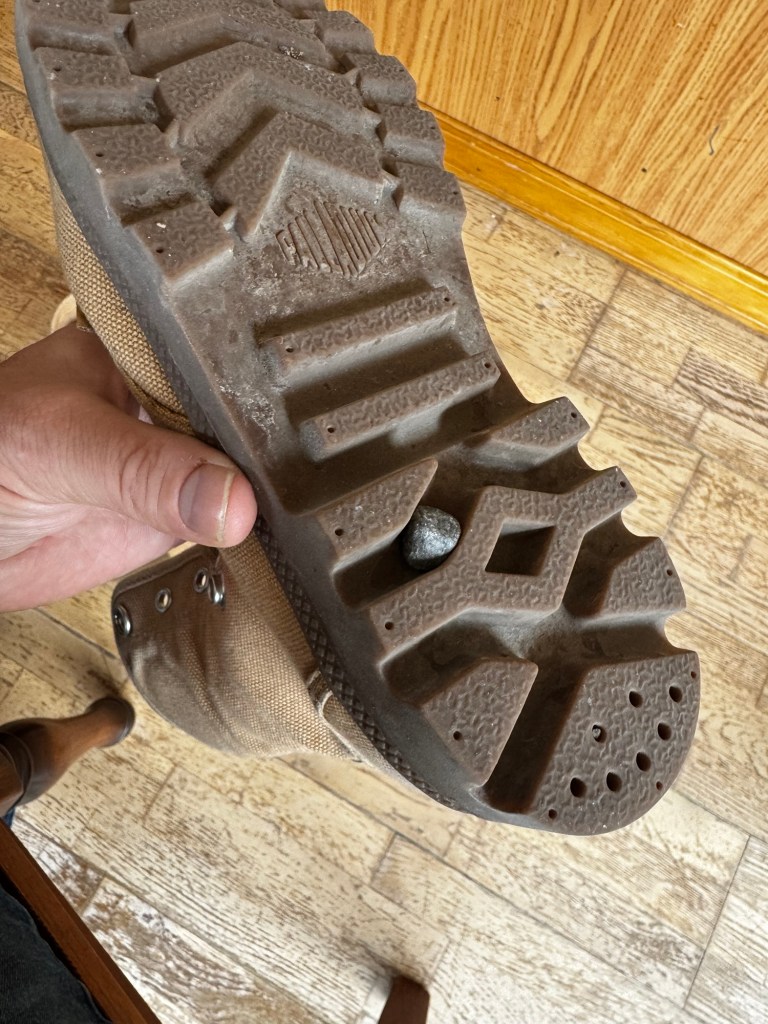
Given that our main source of clothing is REI (we live in the PNW, pretty much a requirement for residence here), we are already solidly set up. Surprisingly, where we are going has similar temperatures to here- high 60s to mid 70s during the day, low to mid 50s at night. Although I did get a new pair of canvas boots. I think the soles might be reasonably solid!
We are traveling with Discover Corps– their focus on empowering the communities visited, and conservation is a huge part of their trips. And one of the organizations I am excited we are spending time with is the Sheldrick Wildlife Trust. They rescue orphaned baby elephants.
They rescue. Orphaned. Baby. Elephants. Come on, are you kidding me?
I have a hard time thinking of anything more wholesome, and their Instagram account is worth a follow. And have no fear- the elephants are helped to find a place in a new herd, so we aren’t talking about ‘rescue’ as another word for ‘your neighborhood zoo.’ Their success rate for this process is very high as well. I am reading Love, Life, And Elephants An African Love Story by Dame Daphne Sheldrick, a Father’s Day gift. The history of the organization is impressive, and the love of the animals in her and her husband’s care is apparent on every page. The strongest criticism of the book I have seen is that it predominantly presents the British colonial perspective. It is an autobiography, and she did live in the 50s, so perhaps bringing that perspective is in order. Another book suggested to provide an indigenous perspective is Unbowed, the memoir of Wangari Maathai, a Kenyan social, political and environmental activist from around that same time. You can find these book all sorts of places… that aren’t Amazon. Go local.
We are doing a bunch of other exciting things of course, but the other one that was a bit of a non-negotiable for me was visiting an anti-poaching group. We have an agreement that when taking a BFT we each have the opportunity to choose one local place or activity that is our personal top choice. The two options that were presented were a unit that works with dogs, and one that is run by all women. Honestly, I really wanted to meet the women doing that work. While I assumed that they may experience more physical danger than predominantly male units (due to a lack of a social history of women being involved in enforcement), but they are very highly trained, are less militarized than the typical male unit, and focus on deescalating tensions. Meeting members of a South Africa anti-poaching unit was high on my list.
However, the unit working with anti-poaching dogs in Kenya was a very close second, and fit with the priorities of the group. The Ol Pejeta Conservancy, where we will be at the time, runs a large unit- last I read they had around 14 dogs, including bloodhounds and Belgian Malinois, used for tracking (poachers and animals), weapons detection, and patroling. They not only help find and apprehend poachers, they also help patrol for animals that might enter pasture lead. This helps reduce livestock loss, and reduces the number of landowners poaching wild animals to protect their livestock.
Not likely the cuddliest dogs in the world, but bad-ass for sure. In a good way.
There are a bunch of other places and activities involved in this trip, which I will likely detail and encourage folks to follow on social media, buy swag from, or go visit yourself. Get ready for some links!
Discover more from Riding The Currents
Subscribe to get the latest posts sent to your email.
 Riding The Currents